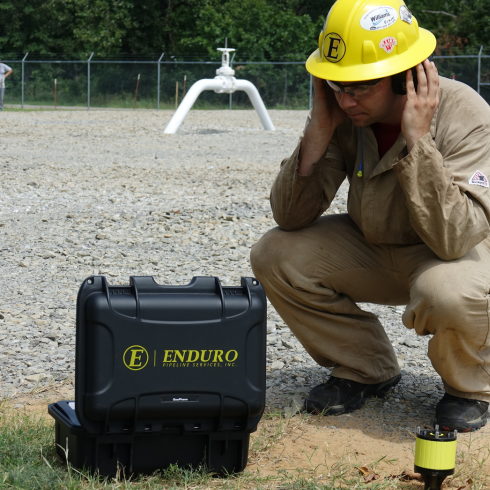
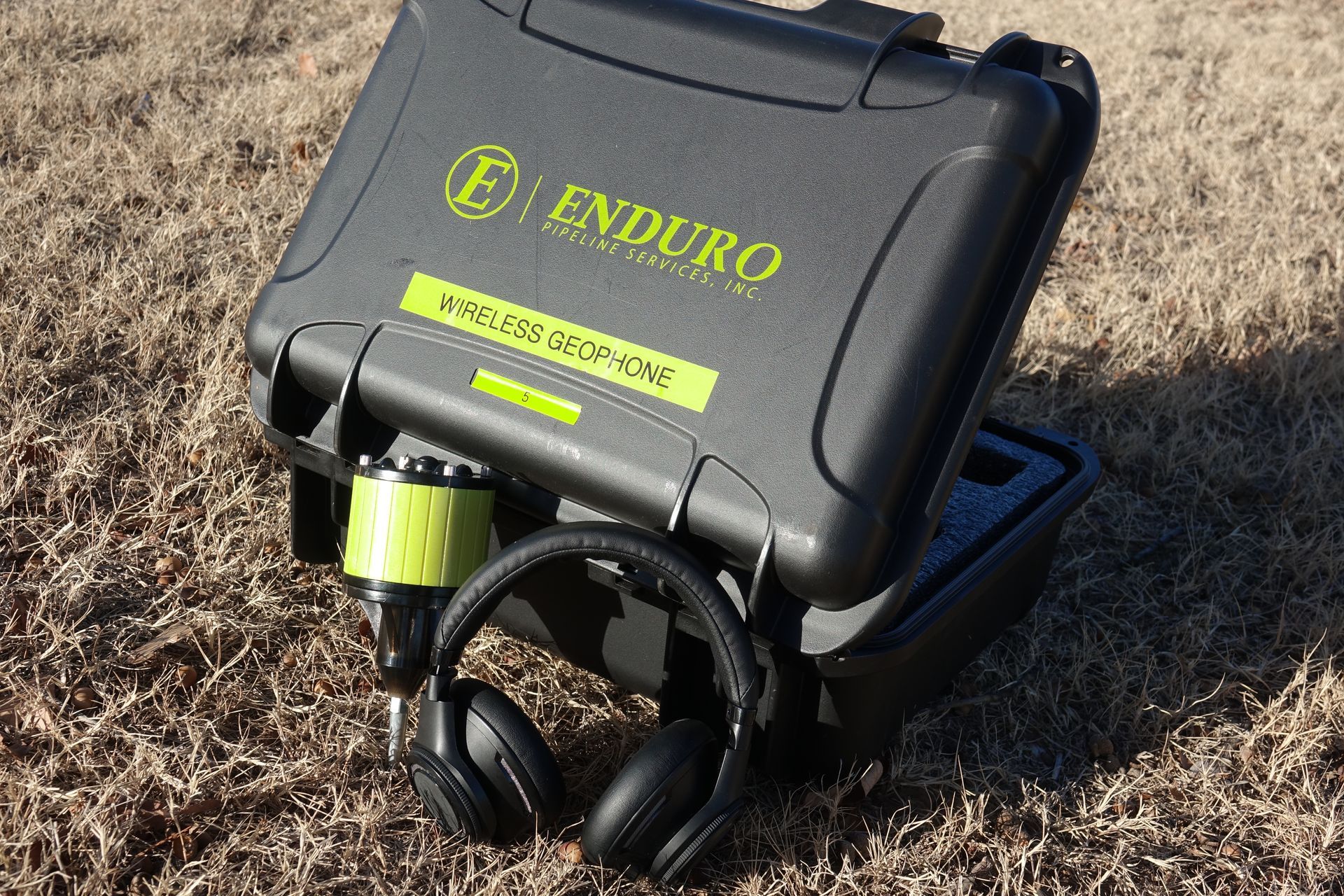
At Enduro, our Wireless Geophones are built by people who understand how they’re used in the field. Having spent years assembling and inspecting these units firsthand, I’ve seen the level of care and precision that goes into every component—and I know who’s relying on them once they leave our hands.
Accuracy, consistency, and reliable tracking are at the center of how Enduro geophones are built. Every unit is designed to capture precise motion data so crews can trust that their measurements reflect exactly what’s happening on the ground. From sensor alignment and internal assembly to final testing, each geophone is put together with the goal of delivering high-quality, actionable tracking data in real field conditions. This isn’t just about meeting specifications—it’s about supporting confident decisions in the field and giving crews the tools they need to work efficiently and effectively.
Every design and assembly decision is made with the field in mind. Enduro geophones are built to integrate smoothly into workflows, maintain precise timing, and provide clear, consistent tracking throughout the job. That attention to detail reflects our respect for the crews who rely on this equipment every day. Knowing that the data collected is accurate and reliable helps teams make better decisions on the spot, whether they’re adjusting layouts, troubleshooting equipment, or analyzing measurements.
Wireless design further supports field operations. By eliminating cables, Enduro geophones allow crews to deploy efficiently, adapt to challenging terrain, and maintain flexible layouts without added complexity. The freedom to move units quickly and easily gives survey teams the flexibility to handle unexpected obstacles, reach difficult locations, and respond to changing conditions—all while maintaining consistent tracking and data collection across the survey area.
Tracking is more than just a measurement—it’s the foundation for actionable insights. When geophones consistently capture motion data with precision, crews can have confidence that the information they’re seeing reflects the site's reality. That reliability reduces guesswork, keeps surveys on schedule, and ensures that the results collected can be used with confidence for analysis, reporting, or operational decisions.
At Enduro, we don’t just design geophones—we build them with the people in the field in mind, knowing that accurate tracking and reliable data start with equipment assembled with care and purpose. Every unit that leaves our shop is intended to make fieldwork smoother, faster, and more precise for the teams who rely on it.
Tips & Tricks for Enduro Geophones
- Check power first:
If your geophone isn’t turning on, confirm the batteries are installed correctly and have sufficient charge.
- Remove batteries for storage:
Always take batteries out during storage to prevent corrosion and extend battery life.
- Charge accessories:
Make sure the headphone set and speaker are fully charged before assuming there’s an issue with the unit.
- Power off after use:
Turn the geophone off and remove the batteries before transport or storage.
- Ensure proper contact:
For the best tracking accuracy, seat the geophone firmly and orient it correctly on the ground.
- Avoid loose or uneven surfaces:
Place units on solid ground to maintain consistent measurements.
- Maintain consistent placement:
When redeploying, try to position geophones similarly to their previous deployment.
- Keep them clean:
Remove dirt and debris from housings to ensure consistent performance.
- Protect from water:
Enduro geophones are extremely durable, but they are
not waterproof. Avoid exposure to heavy rain or submersion.
How to track pipeline pigs using a wireless geophone.
Ready to purchase? You can purchase Wireless Geophones, tracking equipment, and urethane pigs directly from our store:
SHOPENDURO
Want information? Give me a call at 918-446-1934 Ext. 121 or email mckenzeeo@enduropls.com
McKenzee O'Neal
Product Sales
Meet our cleaning and maintenance experts: Pipeline Cleaning Pigs | Enduro Cleaning Pig ToolsMe